This publication is hosted on resources provided by the College of Humanities and Social Sciences IT department at NC State University.
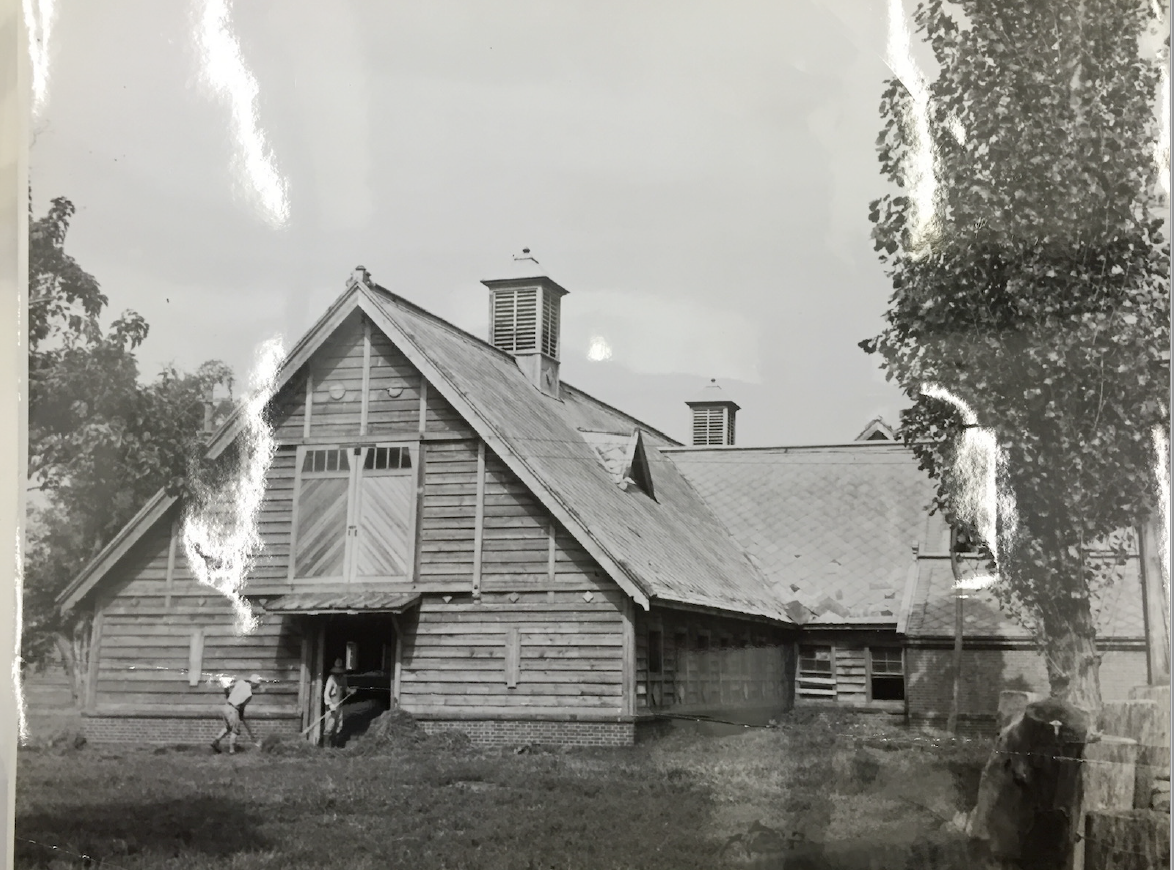
"Hay making" and "Reaping Oats"
1 2018-08-06T22:26:19-04:00 Shellen Wu 768cb3a87e44745ca18d50f57d38cb14bed89fba 2 4 American Influence upon the Agriculture of Hokkaido, Japan (Sapporo, Japan: The College of Agriculture, Tohoku Imperial University, 1915). plain 2018-11-30T14:21:39-05:00 Public domain. Shellen X. Wu Kate McDonald 306bb1134bc892ab2ada669bed7aecb100ef7d5fThis page is referenced by:
-
1
2018-04-23T13:40:27-04:00
Imperial Pathways of Knowledge
9
Empire as Pathway
plain
2018-11-30T08:59:04-05:00
Shellen Wu
Through translations beginning in the late nineteenth century, China adopted a number of neologisms coined in Japan, including 科學 kexue, the term for science. In the post-Meiji period, Japanese students studied in US and Europe and brought back to the colonization of the northern island of Hokkaidō the latest agronomic theories. The Japanese agronomist Nitobe Inazo (1862-1933) helped to create a new vocabulary of colonization and empire and coined the term 殖民 shokumin, planting people, for these new efforts to extend the Japanese empire. The botanical reference drew not only from Nitobe’s educational background but also exposed the undercurrents of the global circulation of concepts about race, territory, and modern statehood.
The expansion of the Japanese Empire created a conduit for ideas about colonization to spread. In Xing An, Chinese officers refused to use the Japanese neologism 殖民 for their efforts. Yet, their plans looked remarkably similar to Japanese state building efforts in Manchuria. To learn more about how nationalists turned to China's own imperial history for precedence, go to the page on the history of tunken.