This publication is hosted on resources provided by the College of Humanities and Social Sciences IT department at NC State University.
Movie Shina no yoru 1940
1 2018-04-23T13:40:45-04:00 CHASS Web Resources 398fc684681798c72f46b5d25a298734565e6eb8 2 1 Movie: Shina no yoru (1940) with Ri Koran and Hasegawa Kazuo plain 2018-04-23T13:40:45-04:00 CHASS Web Resources 398fc684681798c72f46b5d25a298734565e6eb8This page is referenced by:
-
1
2018-04-23T13:40:21-04:00
The transwar romance of "Japan-China goodwill"
9
plain
2018-08-31T16:52:32-04:00
David R. Ambaras
In contrast to the inverted gender-national relations depicted in the accounts of abducted women in Fuqing, the wartime imperial state worked to promote a popular cultural image of "Japan-China goodwill" in which a masculine Japan overcame the ill-founded resistance of a feminine China -- often by slapping or otherwise manhandling her -- to realize a true romance between nations and prevent its sabotage by [communists/agents of foreign powers]. The film Shina no yoru (1940) typifies this genre.
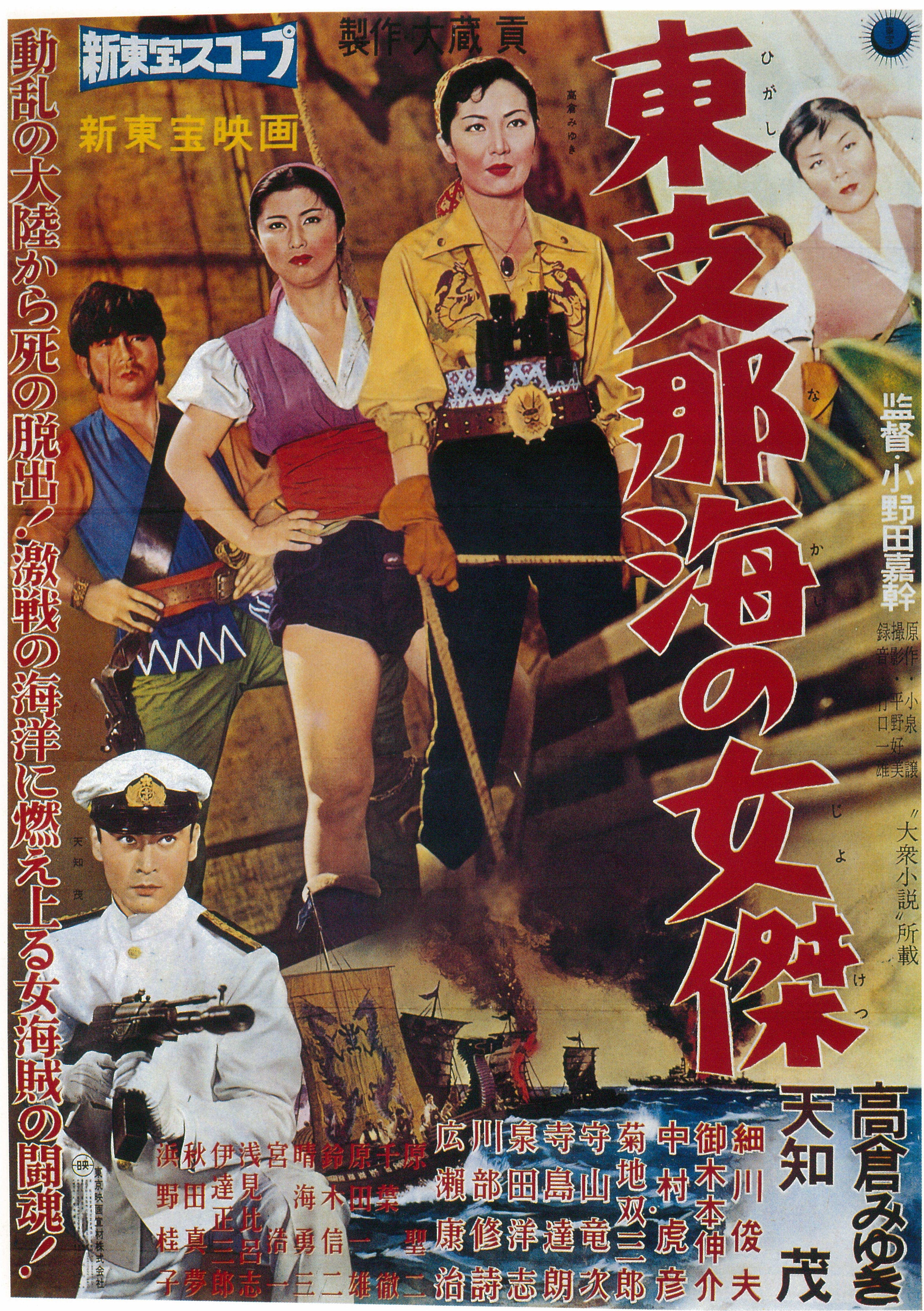
These desires for Japanese-Chinese goodwill and romance persisted across the 1945 divide. For example, "The Heroine of the East China Sea" (1959), a swashbuckling adventure about a Japanese naval officer and a Fujianese woman pirate chief who fall in love and escape to Japan in the chaos at the war's end, represented a similar effort to consummate the turbulent relationship on Japanese terms.
Such fantasies faded, however, with the rupture in Sino-Japanese relations and Japan's full integration into the US-dominated Pacific and Cold War regime. The ideational distance between the two countries was reinforced by modernization theory, which celebrated Japan's "successful" non-communist development in contrast to the chaotic failures of China's communist revolution.